
Dental Radiology in Stillwater, MN
Digital X-Rays for Faster, Safer Diagnosis
.avif)
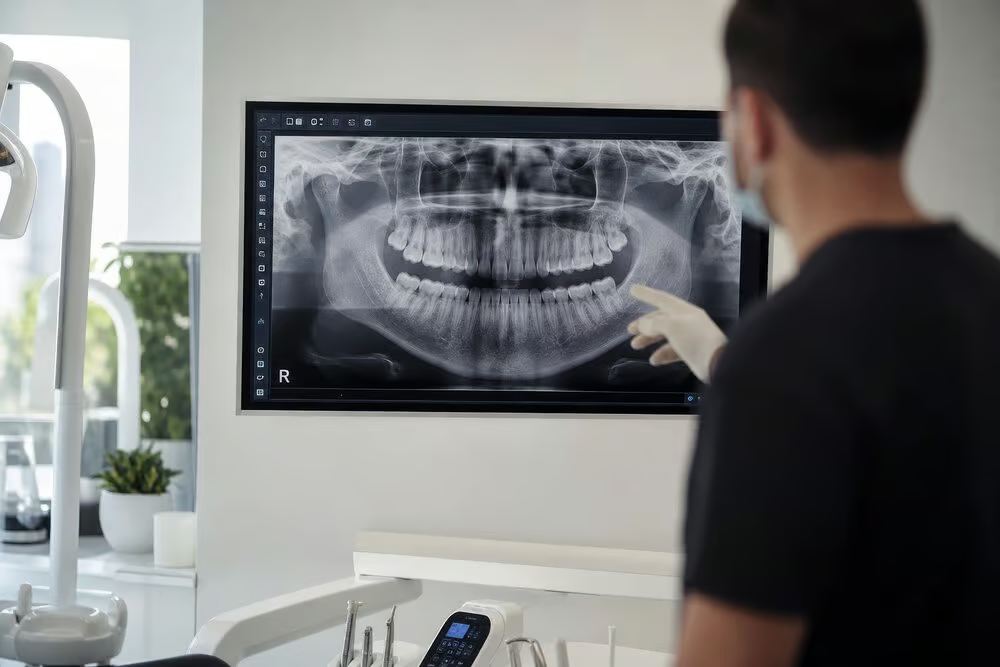
Dental radiology is the use of X-ray imaging to diagnose conditions inside the tooth and below the gumline that cannot be seen during a visual examination. River Valley Endodontics uses digital radiography in Stillwater, MN, which produces high-resolution images with significantly less radiation than traditional film X-rays and displays results on screen within seconds.
What Digital X-Rays Can Reveal
- Infection or abscess at the root of a tooth
- Bone loss caused by infection or gum disease
- Decay beneath an existing filling or crown
- The condition and completeness of a previous root canal
- Fractures in the root or crown of a tooth
- Changes in a treated tooth over time at follow-up visits
Digital X-Rays vs. Traditional Film
Digital radiography reduces radiation exposure by roughly 70 to 80 percent compared with traditional film. Images appear on screen immediately rather than requiring chemical development, which shortens your appointment. Digital images can also be enhanced, magnified, and compared side by side with previous scans, making it easier to detect subtle changes in a tooth over time.
How Often Do You Need Dental X-Rays?
This depends on your situation. For endodontic care, an X-ray is typically taken before treatment to diagnose the problem, during treatment to confirm accuracy, and at a follow-up visit to confirm healing. A complimentary one-year follow-up X-ray is included with root canal treatment at River Valley Endodontics, and we will send a reminder when it is due.
When 3D Imaging Is Recommended Instead
Standard X-rays capture the tooth from a single angle, which means some fractures, extra canals, and areas of infection can be obscured by surrounding structures. When a two-dimensional image is inconclusive but symptoms persist, Dr. Reeh may recommend CBCT 3D imaging for a complete view of the tooth and surrounding bone.
Frequently Asked Questions
Yes. Digital dental X-rays use a very small amount of radiation, substantially less than traditional film. Your provider will also use protective shielding where appropriate. X-rays are only taken when they will provide information needed to diagnose or treat your condition.
This depends on your dental history and current symptoms. For endodontic treatment, X-rays are typically taken before the procedure to diagnose the problem, during treatment to confirm accuracy, and at a follow-up visit to confirm healing.
Digital X-rays use an electronic sensor instead of film, which means significantly less radiation, no chemical development, and images that appear on screen within seconds. They can also be magnified and compared with earlier images to track changes over time.
Often, yes. Infection and bone loss can develop without causing noticeable pain, particularly in a tooth that has already had a root canal. This is why a follow-up X-ray is a standard part of endodontic aftercare even when you feel fine.
Yes, and we encourage it. If your dentist has recent images, having them available can reduce the number of new X-rays needed. Ask your dentist to send them ahead of your appointment or bring a copy with you.
Dental X-rays involve very low radiation and are generally considered safe during pregnancy with appropriate shielding, though non-urgent imaging is often postponed. Let us know if you are pregnant or may be pregnant so we can take the right precautions and coordinate with your physician if needed.
Schedule an Evaluation
If you are experiencing tooth pain, sensitivity, or swelling, diagnostic imaging is usually the first step toward identifying the cause. Call (651) 439-8085 or request an appointment online to schedule with Dr. Reeh in Stillwater, MN.
Phone
Refer a Patient
